February 16, 2016
Apple ordered to help FBI unlock San Bernardino iPhone
A federal magistrate ordered Apple on February 16, 2016 to assist the FBI in bypassing security on an iPhoneApple's smartphone line — touch-first mobile computing and the App Store ecosystem since 2007. used by a San Bernardino shooter — sparking a national debate over encryption backdoors.
What it was for
 Apple refused to build a custom iOSApple's mobile operating system — runs iPhone and iPad with a sandboxed app ecosystem. version that would weaken passcode protections for all users. Tim Cook framed it as a civil-liberties line in the sand; the FBI eventually unlocked the phone with a third-party exploit. The fight shaped how platforms market device encryption, law-enforcement access requests, and the 'going dark' debate that still influences E2E messaging design.
Companies
- Apple
Why it's here
The Apple–FBI fight defined the encryption backdoorA hidden way to access a system bypassing normal security — often installed by attackers or left by developers. debate for a generation of security engineers.
Why it mattered
It cemented on-device encryption as a product differentiator platforms would not casually compromise.
What it solved
Law enforcement wanted access to locked devices; Apple argued a master key would endanger every user.
Media
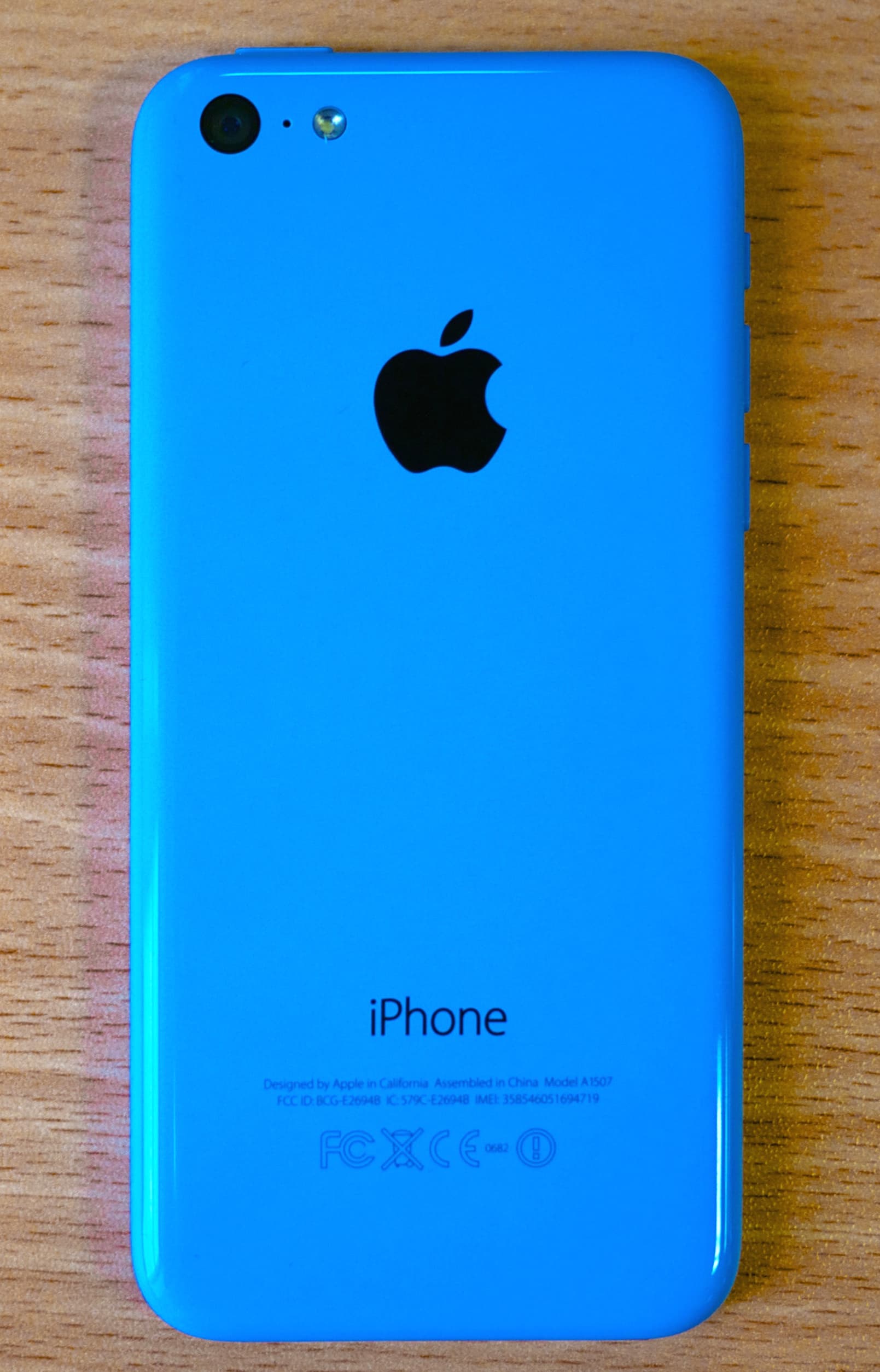 ImageApple–FBI encryption dispute
Kārlis Dambrāns, CC BY 2.0, via Wikimedia Commons
Related
- iPhone goes on saleJune 29, 2007
- Snowden NSA surveillance programs revealedJune 5, 2013
- EU General Data Protection Regulation takes effectMay 25, 2018