May 1, 1964
BASIC runs for the first time at Dartmouth
Kemeny and Kurtz ran the first BASICBeginner's All-purpose Symbolic Instruction Code — an early programming language designed for ease of learning. programs on the Dartmouth Time-SharingRunning multiple programs on one CPU by switching quickly between them — made interactive computing economical. System at 4 a.m. on May 1, 1964.
What it was for
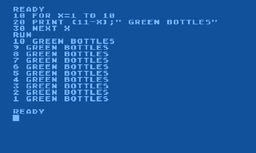 BASICBeginner's All-purpose Symbolic Instruction Code — an early programming language designed for ease of learning. (Beginner's All-Purpose Symbolic Instruction Code) let students and non-specialists write programs with simple English-like commands (`PRINT`, `LET`, `IF`). It spread through the Apple II, Commodore 64, and IBMInternational Business Machines — a major computer and enterprise technology company since the early 20th century. PCPersonal computer — a computer designed for individual use, especially desktop or laptop machines. era — millions learned to code in classroom and hobby BASICBeginner's All-purpose Symbolic Instruction Code — an early programming language designed for ease of learning. before the web existed.
Why it's here
BASICBeginner's All-purpose Symbolic Instruction Code — an early programming language designed for ease of learning. democratized programming the way VB later democratized Windows apps — simple syntax, immediate feedback.
Why it mattered
Paired with time-sharingRunning multiple programs on one CPU by switching quickly between them — made interactive computing economical., it proved that computing could be interactive and accessible, not just batch jobs for specialists.
What it solved
Students queued for batch runs on mainframes; Dartmouth needed a language anyone could learn in hours on a terminal.
Media
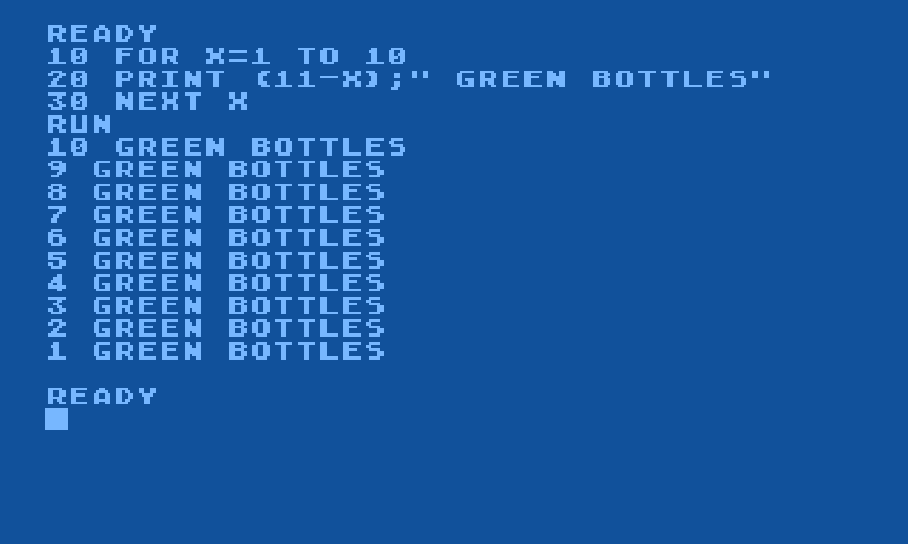 ImageBASIC program listing
Belbury, public domain, via Wikimedia Commons
Related
- Visual Basic 1.0 releasedMay 1991