1966
DEC PDP-10 released
Digital Equipment Corporation introduced the PDP-10 in 1966 — a 36-bit timesharingRunning multiple programs on one CPU by switching quickly between them — made interactive computing economical. minicomputerA smaller multi-user computer from the 1960s–80s — affordable to departments rather than whole corporations. that became a hub for early hacker culture.
What it was for
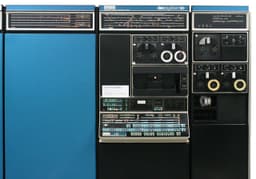 The PDP-10 ran TOPS-10 and TOPS-20 — MITMassachusetts Institute of Technology — a research university central to many computing breakthroughs., Stanford, and BBN used it for AI research, email, and the ARPANETAdvanced Research Projects Agency Network — the U.S. research network that pioneered packet switching and became a precursor to the internet.. Emacs, Lisp machines, and countless hacker traditions started on PDP-10 systems. Its time-sharingRunning multiple programs on one CPU by switching quickly between them — made interactive computing economical. model let dozens of users compile and debug simultaneously — the environment that shaped UnixAn influential multitasking OS from the 1970s — files, pipes, and C shaped Linux, macOS, and BSD.'s design at Bell Labs.
Why it's here
The PDP-10 was the dominant timesharingRunning multiple programs on one CPU by switching quickly between them — made interactive computing economical. machine of the 1960s–70s research community.
Why it mattered
It hosted the communities and tools that defined interactive computing and early networking.
What it solved
Research labs needed shared interactive access to a powerful computer, not batch punch-card queues.
Media
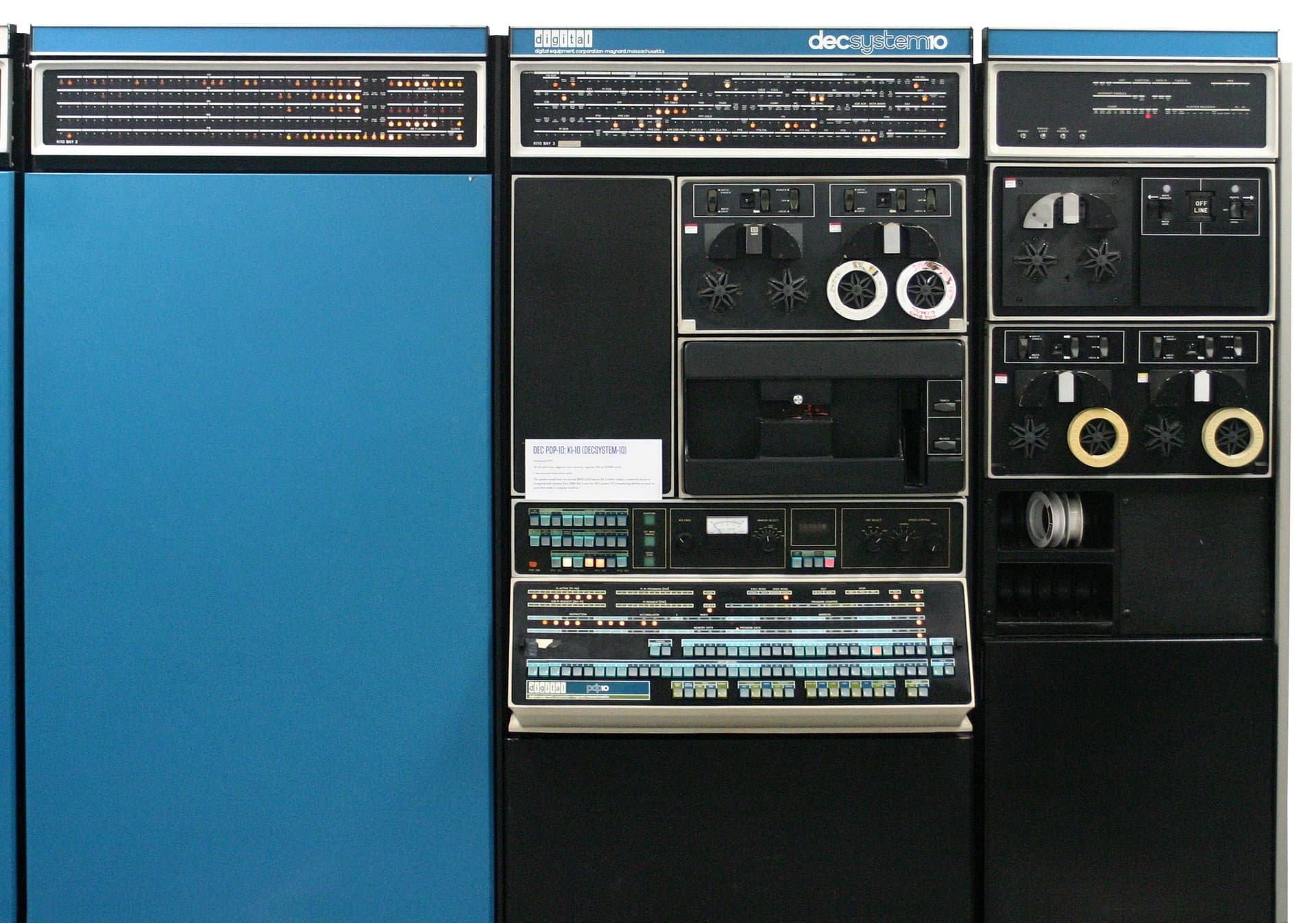 ImageDEC PDP-10
Gah4, CC BY-SA 4.0, via Wikimedia Commons
Related
- DEC PDP-8 unveiledMarch 1965
- DEC PDP-1 introducedNovember 1960
- IBM System/360 announcedApril 7, 1964