March 10, 2000
NASDAQ peaks at the height of the dot-com bubble
The NASDAQ Composite index closed at 5,048.62 on March 10, 2000 — the all-time high that marked the peak of the dot-com bubble before a two-year crash.
What it was for
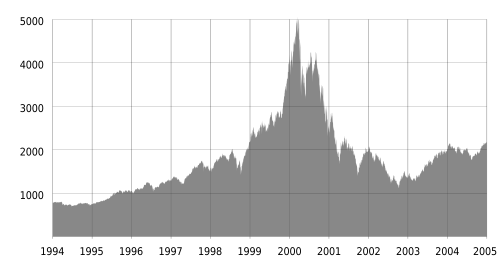 Venture capitalFunding for high-risk startups in exchange for equity — financed many software and hardware companies before profitability. had poured into internet startups with no profits; telecom fiber and datacenter buildouts raced ahead of demand. After March 2000, hundreds of dot-coms failed, IPOInitial public offering — when a private company first sells shares on a stock exchange. windows slammed shut, and developers who had joined pre-IPOInitial public offering — when a private company first sells shares on a stock exchange. startups watched options evaporate — reshaping Silicon Valley hiring for a decade.
Why it's here
The NASDAQ peak is the calendar date developers cite for the dot-com bubble's turning point.
Why it mattered
The crash ended reckless 'growth at all costs' and delayed tech IPOs until Web 2.0.
What it solved
This was a market correction, not a product launch — it exposed unsustainable burn rates and business models.
Media
- ImageDot-com bubble
Lalala666 at English Wikipedia, Public domain, via Wikimedia Commons
Related
- Netscape IPO ignites the dot-com gold rushAugust 9, 1995
- Bill Gates steps down as Microsoft CEOJanuary 13, 2000